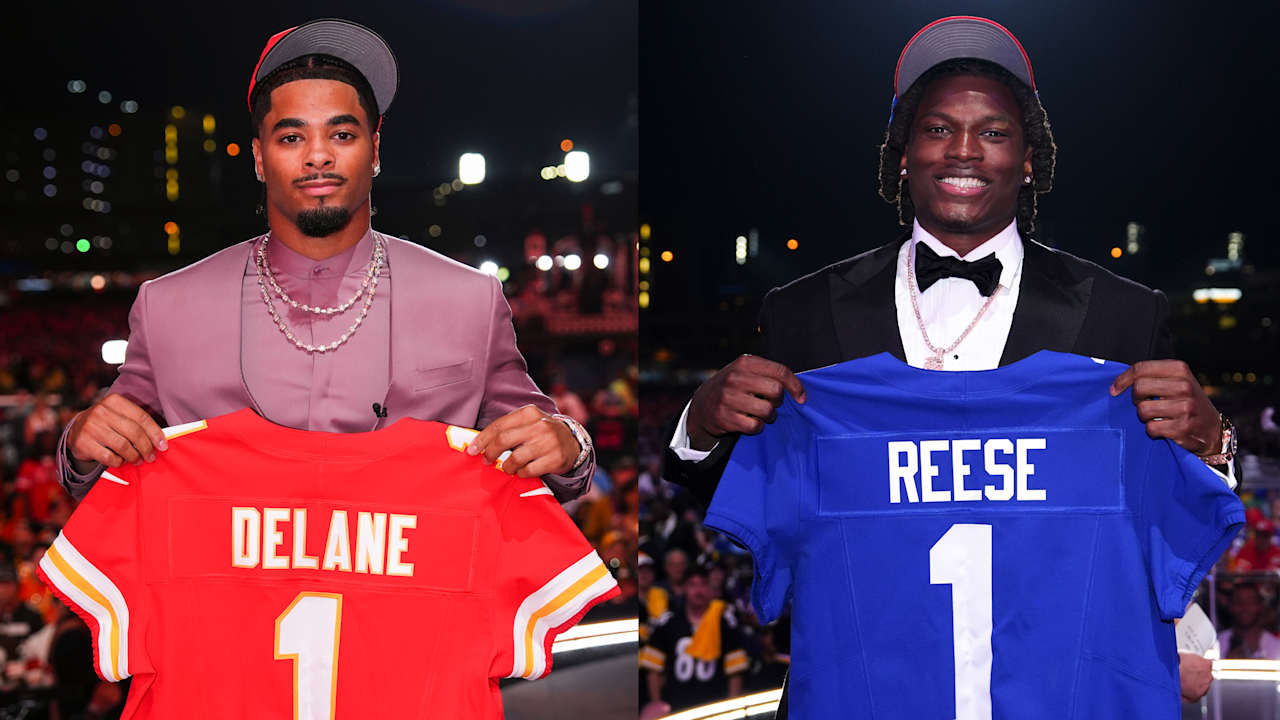
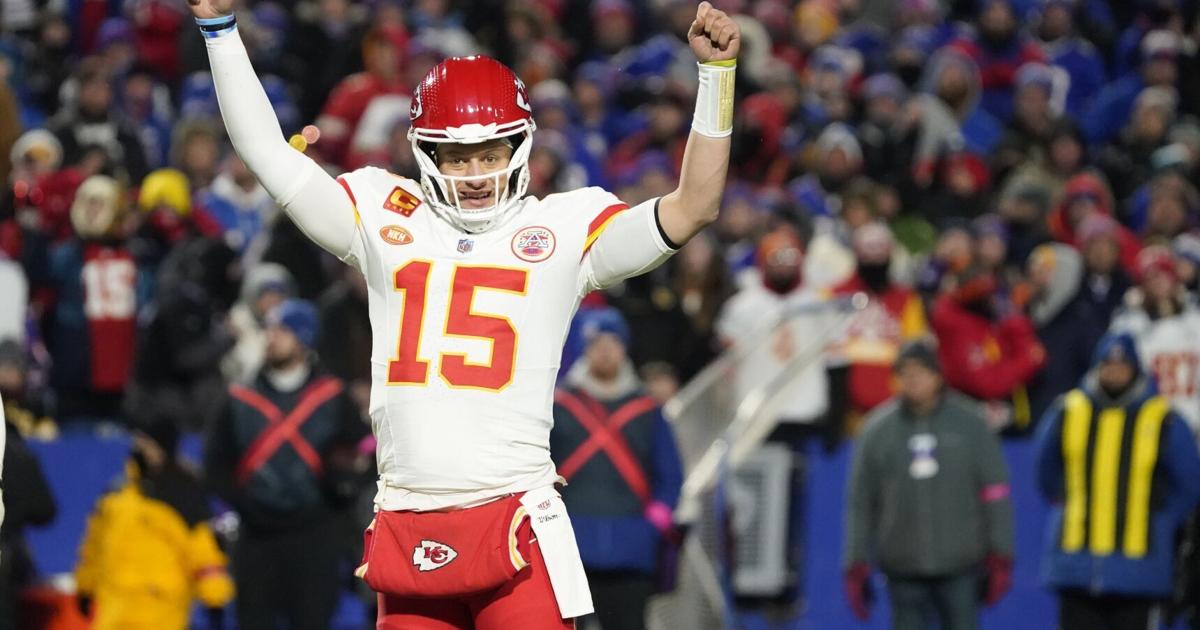
The 2026 NFL Draft didn’t just reshuffle rookie classes—it recalibrated the hierarchy of contenders. At the top of that shift: the Kansas City Chiefs. Once seen as a team on the late-Patrick Mahomes decline arc, they now sit firmly in the top three of most early-season power rankings. Their rise isn’t accidental. It’s the result of precise draft execution, savvy cap management, and a front office that’s still playing chess while others play checkers.
Meanwhile, the San Francisco 49ers continue to confound analysts with a recurring habit: reaching for prospects. Despite a talented roster and coaching pedigree, their draft decisions—especially in Rounds 2 and 3—have become a liability. While the Chiefs leverage value and fit, the 49ers consistently overpay for potential. That divergence is now showing up where it matters most: in power rankings and long-term outlook.
Why the Chiefs Are Suddenly a Title Favorite Again
For months, analysts questioned whether Kansas City could reload after losing key veterans in free agency. Concerns mounted when Travis Kelce’s retirement rumors intensified and Chris Jones aged into the final year of his deal. But instead of panicking, the Chiefs doubled down on their core philosophy: athletic versatility, positional flexibility, and developmental upside.
They hit a home run with their first-round pick—a hybrid linebacker/safety from Oregon, who filled the void left by Nick Bolton while offering more in coverage. In Round 2, they traded down twice, accumulating extra third-day capital, then selected a tackle from Mississippi State who immediately projects as a swing anchor. By Round 4, they added a twitchy slot receiver from UCF, giving Mahomes another explosive option beneath the hashes.
What makes Kansas City’s draft class so dangerous isn’t just talent—it’s fit. Every pick complements the existing roster architecture. No redundant positions. No ego-driven selections. Just calculated upgrades.
"They didn’t chase stars. They solved problems," said one AFC executive. "That’s how you stay elite when everyone expects you to fade."
49ers Reaching: A Pattern That’s Costing Them Games
Contrast that with San Francisco. Again.
The 49ers opened the draft with a strong first-rounder—a dynamic edge rusher from Florida State who fits their 4-3 scheme. But from there, things unraveled. In Round 2, they traded up aggressively to grab a tight end from Alabama, despite having George Kittle, Eric Saubert, and rising sophomore Eric Johnson. The pick wasn’t bad—but the context was.
Then came Round 3. With the 79th overall pick, they selected a cornerback from Oregon who graded as a mid-fourth-round talent. More troubling? They moved from No. 87 to No. 73, surrendering a 2027 third-rounder to “secure” him.
This isn’t new behavior.
Over the last four drafts, the 49ers have traded up eight times—more than any other team. And their ROI? Underwhelming. Three of those “reached” players are no longer on the roster. Two more are special teamers. Only one starter has emerged from those moves.
Worse, their board discipline has eroded. Scouts report San Francisco’s war room increasingly prioritizes “traits” over tape—speed, length, workout numbers—over consistency and football IQ.
Draft Capital Mismanagement: A Hidden Tax
Every trade-up has a cost. The 49ers aren’t just overpaying for prospects—they’re depleting future flexibility.
Since 2023, San Francisco has:
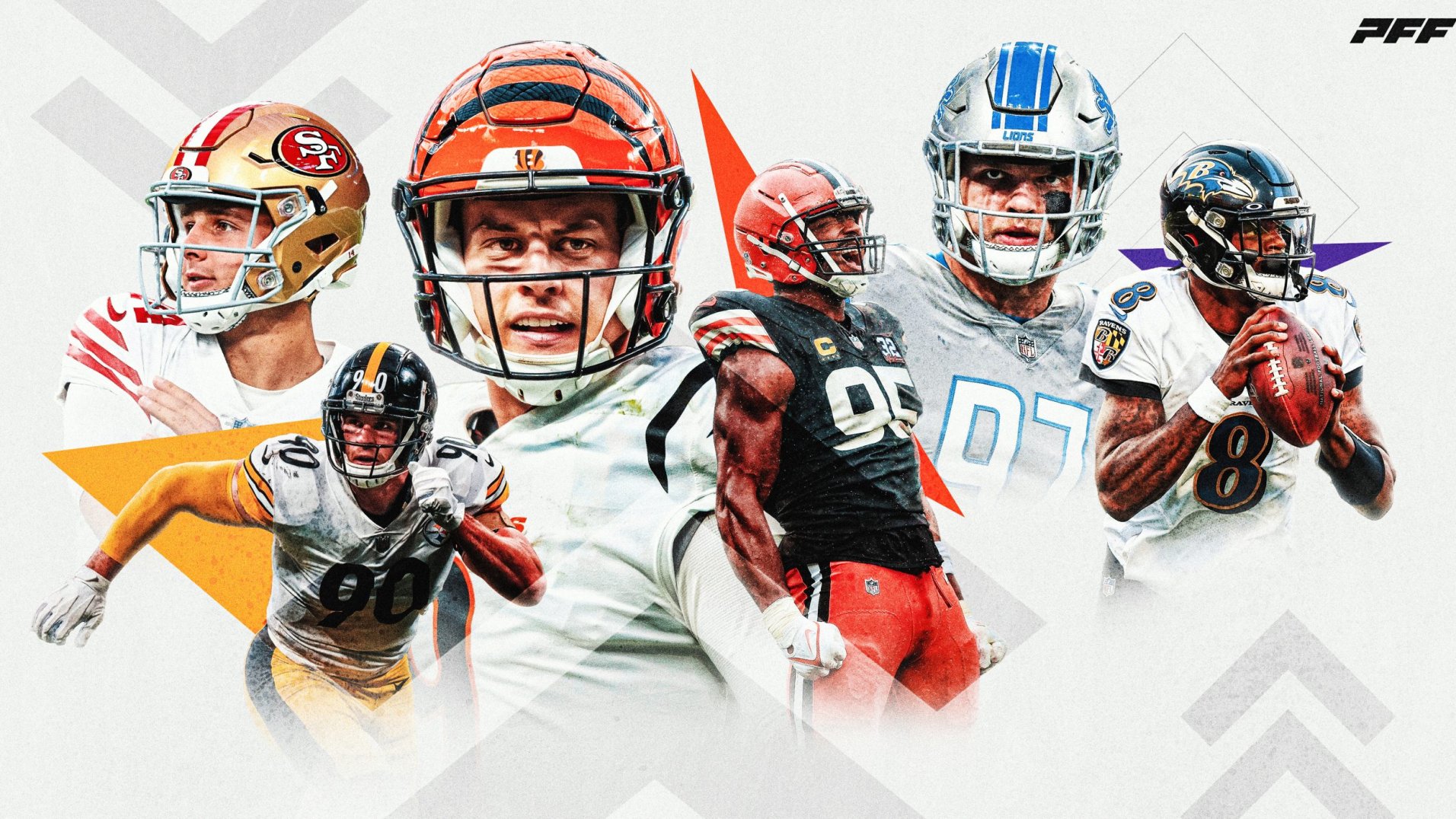
- Traded away two first-round picks
- Moved up using next-year assets three times
- Entered 2027 with only four Day 2 or 3 picks
Meanwhile, Kansas City has stockpiled six picks in Rounds 2–4 over the next two years. That’s not just planning—it’s positioning.
When injuries hit (and they will), the Chiefs can absorb them through depth or trade leverage. The 49ers? They’re already handcuffed. No margin for error. No wiggle room in a brutal NFC West.
Consider this: in 2025, San Francisco entered training camp thin at safety after losing Talanoa Hufanga. They had no mid-round pick to plug the gap. Had they not overextended in 2024 for a developmental OT, they might have had one.
Reaching doesn’t just hurt your current roster—it taxes your future.
Evaluating Fit vs. Reach: A Closer Look
Let’s break down the philosophy gap.
| Team | Strategy | Strengths | Risks |
|---|---|---|---|
| Chiefs | Value, fit, floor | High consistency, roster cohesion | Can miss on upside if too conservative |
| 49ers | Traits, upside, reach | High-ceiling potential, wow factor | Inconsistent development, wasted capital |
The Chiefs’ approach assumes that winning now requires minimizing risk. A safe floor matters more than a speculative ceiling. That’s why they favor players with polished techniques and high football character—even if they lack viral combine clips.
The 49ers, meanwhile, keep betting on transformation. They believe their coaching staff can turn raw athletes into stars. Sometimes it works (see: Nick Bosa). But more often, it backfires (see: 2024 third-rounder Jalen Thompson).
The 2026 draft amplified that contrast.
Kansas City’s UCF receiver isn’t the fastest or tallest, but he wins with route precision and after-catch grit—exactly what the Chiefs offense demands.
San Francisco’s Oregon CB? 6’2”, 4.45 speed, 38-inch vertical. Impressive. But he struggled against double moves and missed tackles in college. Now he’s starting in a secondary that can’t afford mistakes.
How Power Rankings Are Reacting
Early-season power rankings tell the story.
- NFL Network: Chiefs up to No. 2 (+5); 49ers down to No. 10 (-4)
- ESPN: Chiefs No. 1 in “Future Outlook”; 49ers graded “C” in draft capital health
- The Athletic: “Kansas City’s draft was a masterclass in roster synergy. San Francisco’s felt like a highlight reel with no script.”
Even rivals are taking note.
“We watch those guys,” said an NFC West executive. “They don’t win by drafting generational talents every year. They win by never making a bad pick. San Francisco? They make one great pick and two head-scratchers.”
That consistency—not flash—fuels sustained contention.
The Real Cost of Reaching: Long-Term Roster Fragility
Reaching on picks doesn’t just waste draft capital. It creates roster imbalances.
Because the 49ers invested a premium pick in a tight end they didn’t need, they had no ammo to address backup QB or depth linebacker. Now, if Brock Purdy misses time or Dre Greenlaw re-injures, the drop-off is steep.
Meanwhile, Kansas City used its extra picks to stash developmental players at key spots—center, nickel CB, rotational edge. If starters falter, the replacements are already in-house, acclimated, and affordable.
That depth wins in December and January.
In the past five postseasons, teams with deeper rosters (measured by Pro Football Focus “quality backup” ratings) have gone 14–5 in games decided by one score. The Chiefs were in that group four times. The 49ers? Twice—and both times, they were hamstrung by injuries at positions they’d neglected.
What Other Teams Can Learn
The Chiefs-49ers contrast is a case study in organizational philosophy.
Do this: - Prioritize positional need and long-term value - Trade down when possible—capitalize on others’ reach - Develop a clear prototype for each position - Protect future draft capital like gold
Don’t do this: - Overvalue combine metrics over game film - Trade up to “lock in” a prospect unless they’re franchise-changing - Draft for excitement rather than necessity - Let coaching staff persuasion override scouting consensus
The most successful teams—Chiefs, Bills, Ravens—treat the draft like a marathon. The 49ers, despite their talent, still sprint.
The Bottom Line: Sustainable Success Beats Short-Term Hype
The 2026 draft didn’t crown a champion. But it revealed who’s building to last.
The Chiefs aren’t just rising in power rankings—they’re reinforcing their foundation. Every pick, trade, and contract move serves the same goal: sustain relevance in a cutthroat conference. They’re not trying to wow draft night analysts. They’re trying to win in February.
The 49ers? Still chasing flashes. Still reaching. Still leaving themselves exposed when the season tightens.
Power rankings reflect more than win-loss records. They reflect trajectory. And right now, one team is ascending with purpose—while the other stumbles under the weight of its own impatience.
If you’re betting on Super Bowl odds, know this: draft discipline compounds. And Kansas City’s compound interest is due to pay off.
Frequently Asked Questions
Why are the Chiefs rising in power rankings after the draft? Because they addressed needs without sacrificing future capital, added high-floor players, and maintained roster balance—hallmarks of a sustainable contender.
Are the 49ers’ draft reaches actually hurting the team? Yes. Overpaying for mid-tier talent depletes future picks, creates depth issues, and increases roster fragility when injuries strike.
Did the Chiefs make any bold moves in the 2026 draft? Not in a flashy sense. Their boldness was strategic: trading down for extra picks and focusing on fit over fame—a quiet but effective approach.
How do draft trades affect power rankings? Teams that accumulate value (like KC) are seen as smarter long-term bets. Teams that trade up frequently (like SF) are viewed as reactive and risky.
Can the 49ers still succeed despite their draft habits? Yes, because they have elite coaching and a strong core. But their lack of depth and draft capital limits their margin for error.
What’s the biggest difference between the Chiefs’ and 49ers’ draft philosophies? The Chiefs prioritize fit and floor; the 49ers chase upside and traits—leading to more variance in outcomes.
Do power rankings overreact to draft results? Sometimes. But in this case, the Chiefs’ and 49ers’ moves reflect deeper organizational trends, making the shifts justified.
FAQ
What should you look for in Chiefs Climb NFL Power Rankings After Draft Surge? Focus on relevance, practical value, and how well the solution matches real user intent.
Is Chiefs Climb NFL Power Rankings
After Draft Surge suitable for beginners? That depends on the workflow, but a clear step-by-step approach usually makes it easier to start.
How do you compare options around Chiefs Climb NFL Power Rankings After Draft Surge? Compare features, trust signals, limitations, pricing, and ease of implementation.
What mistakes should you avoid? Avoid generic choices, weak validation, and decisions based only on marketing claims.
What is the next best step? Shortlist the most relevant options, validate them quickly, and refine from real-world results.


:max_bytes(150000):strip_icc():focal(728x275:730x277)/princess-catherine-prince-william-donald-trump-king-charles-iii-trump-state-visit-uk-windsor-091725-8672599a27214b6f8ffdbb07fd7596e4.jpg)
