Photographs don’t just capture moments—they cement legacies. When British royals step onto American soil, cameras roll, flashes pop, and history unfolds in high-resolution detail. These images, often polished and poised, tell a deeper story: one of diplomacy, soft power, and the careful choreography between two nations bound by language, history, and occasional tension.
As King Charles III prepares for his state visit to the United States, the spotlight returns to decades of royal presence on U.S. soil—moments preserved in grainy black-and-white reels and crisp 4K stills. From wartime goodwill tours to modern media spectacles, the visual record of British royal visits reveals how monarchy adapts, endures, and influences across the Atlantic.
The Power of the Royal Image in American Media
Royal visits to the U.S. are never just personal trips—they’re strategic exercises in public diplomacy. The optics matter. Every handshake, wave, and fashion choice is analyzed, shared, and archived.
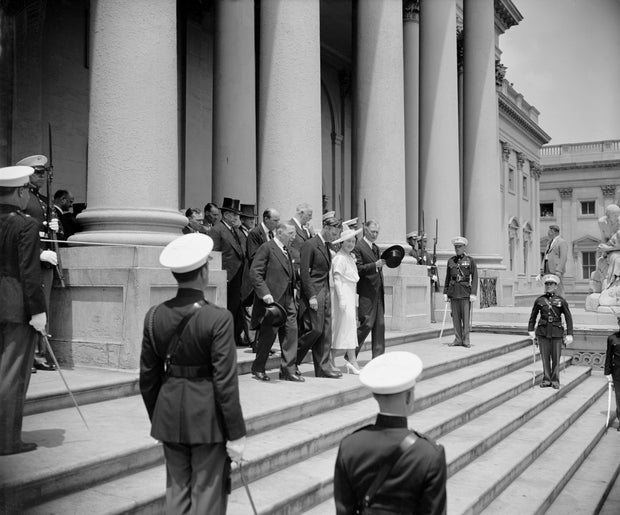
Consider the 1939 visit of King George VI and Queen Elizabeth (the Queen Mother). Photographs of them at the White House barbecue hosted by Franklin D. Roosevelt humanized the monarchy during a fragile time. The image of the king in a slightly ill-fitting suit, grinning beside a smiling Eleanor Roosevelt, softened British formality for American audiences. It was a calculated move: make the crown relatable.
Fast forward to 1982, when Queen Elizabeth II rode side-saddle in a parade through Washington, D.C. The photo went viral before “viral” existed. It was bold, theatrical, and unmistakably royal—a reminder of tradition in a rapidly modernizing world.
These visuals do more than decorate history books. They shape perception. A single image can reinforce alliances, smooth diplomatic wrinkles, or even revive public interest in a waning institution.
King George VI and the Barbecue That Built Trust
The 1939 visit remains one of the most consequential in Anglo-American relations. With war looming in Europe, Britain needed American support. President Roosevelt, though sympathetic, faced a deeply isolationist Congress.
Enter King George VI and Queen Elizabeth. Their two-week tour included New York, Niagara Falls, and culminated in a now-legendary overnight at the White House. The key moment? A casual outdoor dinner on the South Lawn, complete with barbecue and corn on the cob.
Photographs of the royal couple eating with their fingers, surrounded by marines in dress blues and staff in aprons, were a masterstroke. The British press downplayed informality, but American media celebrated it. Life magazine ran a multi-page photo spread under the headline: “The King Who Ate Corn.”
This visit wasn’t just symbolic. It laid the groundwork for Lend-Lease aid and, eventually, full U.S. entry into WWII. The photos made the monarchy feel accessible, and in doing so, made alliance feel inevitable.
Queen Elizabeth II: The Diplomat in Pearls
No royal has visited the U.S. more than Queen Elizabeth II. Over seven decades, she made 26 official trips, each marked by precise imagery and symbolic gestures.
:max_bytes(150000):strip_icc():focal(728x275:730x277)/princess-catherine-prince-william-donald-trump-king-charles-iii-trump-state-visit-uk-windsor-091725-8672599a27214b6f8ffdbb07fd7596e4.jpg)
- 1957: Her first state address to Congress. Photographs show her speaking with poise, flanked by Eisenhower and Nixon. The moment was historic—only two other monarchs had ever addressed a joint session.
- 1976: Bicentennial visit. She toured Colonial Williamsburg, Philadelphia, and New York. In one iconic shot, she rides through Manhattan in an open carriage, waving beneath a sea of American flags. The image was carefully designed to honor American independence while affirming enduring ties.
- 2007: 400th anniversary of Jamestown. She stood beside President George W. Bush, laughing at a joke during a reception. The photo contrasted sharply with the Iraq War-era tensions—proof of warmth amid political strain.
Her visits followed a formula: state dinners, congressional speeches, cultural nods, and carefully staged public appearances. But the formula worked. Each trip reinforced stability, continuity, and partnership.
Critics argued the visits were PR exercises with little policy impact. But in diplomacy, perception is policy. When the Queen smiled beside a U.S. president, it signaled alignment—even when behind-the-scenes relations were frayed.
Prince Charles Before the Crown: Warmth and Environmental Advocacy
Long before he was king, Charles made his mark in America—not through state visits, but through personal appearances, speeches, and advocacy.
In the 1990s and 2000s, he toured the U.S. frequently, promoting environmental causes, traditional architecture, and youth programs. Photos from these trips often showed him in more relaxed settings: speaking at universities, visiting organic farms, or meeting with inner-city youth.
His 2011 trip, alongside Duchess Camilla, included a moving stop at the World Trade Center site. A widely shared photo captured him placing a wreath, head bowed, with American officials standing in silent tribute. The image resonated—here was a future king honoring American loss.
Unlike his mother’s highly choreographed visits, Charles’s appearances felt more personal, sometimes even awkward. But that’s what made them effective. They showed a man engaged, not just performing.
The Charles III Era: A New Chapter in Royal Diplomacy With King Charles III’s upcoming state visit, expectations are high—and so are the stakes.
Unlike past visits, this one arrives amid global crises: climate change, democratic backsliding, and shifting alliances. The King has made environmentalism his life’s work. Will photos of him visiting green energy sites or speaking with Indigenous leaders carry more weight than another White House dinner?
Early indicators suggest a blend of tradition and modernity. Reports indicate the visit will include:
- A state dinner at the White House
- A joint appearance with President Biden at a climate resilience summit
- A visit to a historically Black university to highlight educational partnerships
- A stop at a veterans’ memorial
Photographers will be everywhere. Each image will be parsed: his posture beside the president, his expression during solemn moments, his attire choices.
One thing is certain: the visual narrative will aim to position Charles not just as a ceremonial figure, but as a relevant global voice. The monarchy’s survival in the 21st century depends on it.
Iconic Royal Visit Photos That Shaped Public Memory
Some images from royal visits have transcended their moment, becoming cultural touchstones.
:max_bytes(150000):strip_icc():focal(749x0:751x2)/king-charles-III-state-visit-of-the-president-of-the-republic-of-south-africa-112222-4-806910a78d3444cf87ef8dcb828390e0.jpg)
- Queen Elizabeth II dancing with President Johnson (1968)
- Shot during a state dinner, this photo broke royal protocol norms. Dancing wasn’t common for the Queen. Yet here she was, smiling in a lilac gown, gliding across the floor with LBJ. The image humanized her—and surprised the world.
- Prince Philip joking with President Reagan (1982)
- A candid shot of the two laughing mid-conversation. Philip’s dry wit and Reagan’s charm created a rare unguarded moment. It softened the Duke’s often-criticized public persona.
- Princess Diana at the Thomas Jefferson Memorial (1985)
- Alone, reflective, wearing a red coat against autumn foliage. The photo circulated widely, portraying her as both dignified and emotionally resonant—foreshadowing her role as the “People’s Princess.”
- Prince William and Kate at the 9/11 Memorial (2022)
- Their visit during the Platinum Jubilee tour drew emotional responses. A photo of them holding hands by the reflecting pools became a symbol of transatlantic solidarity.
These aren’t just snapshots—they’re visual diplomacy. Each one was staged, yes, but also authentic in its emotional appeal.
What Sets Charles III’s Visit Apart?
King Charles III inherits a changed world—and a changed monarchy.
Previous royal visits emphasized continuity, pageantry, and alliance. Charles’s visit must also address relevance.
His health, age, and the controversies surrounding his past (particularly his comments on architecture or medicine) mean every image will be scrutinized. A moment of fatigue, a misstep in tone, or a poorly chosen backdrop could dominate headlines.
But opportunities abound:
- Climate leadership: Photos of him at solar farms or flood-resilient communities could reinforce his advocacy.
- Multigenerational appeal: Including Prince William or Princess Anne could signal stability and succession.
- Cultural bridges: Visits to jazz halls, civil rights sites, or innovation hubs would show depth beyond protocol.
The challenge is balancing tradition with transformation. The photos must feel royal—yet real.
The Camera as a Diplomatic Tool
In the digital age, a single photograph can outlast an entire speech.
When Queen Elizabeth laid a wreath at Arlington Cemetery, the image echoed for years. When Prince Harry returned to the U.S. after stepping back from royal duties, paparazzi shots fueled debates about duty and identity.
For King Charles III, the lens is both ally and adversary. A well-framed moment can elevate his mission. A poorly managed one can undermine it.
The royal communications team knows this. They plan lighting, angles, backdrops, and even crowd placement. Nothing is accidental.
Yet the most powerful photos often come from spontaneity: a child handed to the Queen, a joke shared between leaders, a quiet glance at a memorial. Those moments bypass propaganda and touch emotion.
As Charles steps onto American soil, every frame will count—not just for history, but for the monarchy’s future.
Royal visits to the U.S. have always been about more than etiquette and photo ops. They’re visual narratives in an ongoing diplomatic story. From George VI’s barbecue to Charles III’s climate agenda, the images define how the world sees the crown—not as a relic, but as a player.
For journalists, historians, and citizens alike, these photos are primary sources: evidence of alliance, adaptation, and the enduring power of symbolic leadership.
As cameras click during Charles’s state visit, remember—each shot isn’t just capturing a moment. It’s shaping history.
Watch closely. The next iconic royal image might be just one shutter-click away.
Frequently Asked Questions
Why are royal visits to the U.S. photographed so extensively? Royal visits are major diplomatic events covered by global media. Photos serve both historical documentation and public relations, reinforcing alliances and humanizing the monarchy.
Has any British monarch visited the U.S. during wartime? While no monarch visited during active combat, King George VI’s 1939 tour occurred months before WWII began. It was a strategic effort to gain American support ahead of war.
Did Queen Elizabeth II ever visit all 50 states? No. Though she made 26 trips to the U.S., she visited only about 15 states, primarily Washington, D.C., New York, and Virginia.
How does the U.S. government prepare for a royal state visit? Preparations include security coordination, ceremonial planning, guest lists for state dinners, and joint messaging. The State Department and Secret Service lead logistics.
Are royal visit photos staged? Most official photos are carefully planned for composition and messaging, though candid moments are captured throughout the visit.
What role do social media play in modern royal visits? Platforms like Instagram and X are used to release real-time images, engage younger audiences, and control the narrative directly from royal accounts.
Will King Charles III’s visit focus on climate change? Yes. Multiple outlets report that environmental resilience and sustainability will be central themes, with visits to green technology sites and joint statements on climate policy.
FAQ
What should you look for in Royal Portraits: British Monarchs in America Through the Years? Focus on relevance, practical value, and how well the solution matches real user intent.
Is Royal Portraits: British Monarchs in America Through the Years suitable for beginners? That depends on the workflow, but a clear step-by-step approach usually makes it easier to start.
How do you compare options around Royal Portraits: British Monarchs in America Through the Years? Compare features, trust signals, limitations, pricing, and ease of implementation.
What mistakes should you avoid? Avoid generic choices, weak validation, and decisions based only on marketing claims.
What is the next best step? Shortlist the most relevant options, validate them quickly, and refine from real-world results.